

Everywhere across the country, you can hear people murmuring “Happy Birthday” as they thoroughly scrub their hands to combat the spread of COVID-19. However, though many people are practicing good personal hygiene to protect themselves from the coronavirus, many are not taking the proper steps toward cybersecurity hygiene to protect...
Zoom-Bombing: What it is and How to Prevent it from Happening During Your Next Call

As the U.S. COVID-19 health crisis continues, many businesses, organizations, and schools adapt to utilizing temporary telework arrangements. Better Business Bureau (BBB) warns video conference app users of recent ‘Zoom-Bombing’ where hijackers infiltrate the Zoom session. BBB offers the following information and tips to prevent video hijacking. How Zoom-Bombing Works:...
Working From Home? 5 Ways to Show Your PC Some Love

Whether you’re under self-quarantine or government-mandated isolation, it’s a great time to catch up on any goals you haven’t had time to pursue. Or, you could just take care of your PC. Organize Your Files Getting all your files organized is a great project to take care of when you...
A Simple New Tool Lets You Open Email Attachments Without Fear

Opening email attachments from untrusted senders has long been one of the easiest ways to get hacked. But unlike other common security screwups—using "password" for your password, downloading pirated software from shady websites—there's no practical way for a modern human to avoid opening the occasional mystery-meat attachment. Now one technologist...
How to Report a Phishing or Spam Email to Microsoft
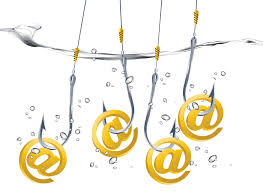
Microsoft can analyze dangerous emails to determine why those messages made it past your spam filters. You receive an email that you find suspicious--potentially a phishing email--so you ignore or delete it. Another option is to report the email to Microsoft for analysis via the Outlook add-in called Report Message...